
Erosive osteoarthritis (EOA) is a lesser-known but increasingly recognized form of osteoarthritis that often causes confusion among patients and even healthcare providers. While the typical osteoarthritis (OA) most people are familiar with is a slow, wear-and-tear–related degeneration of the joints, erosive osteoarthritis behaves differently. It is more aggressive, more inflammatory, and often significantly more painful. Understanding this condition is essential for early detection, effective management, and maintaining long-term joint health. This comprehensive guide explores what erosive osteoarthritis is, how it differs from other forms of arthritis, common symptoms, diagnosis methods, treatment options, and tips for living with the condition.
What Is Erosive Osteoarthritis?
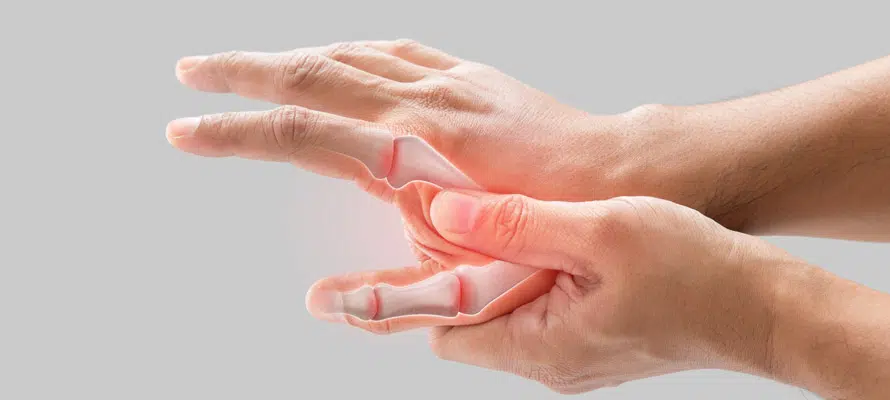
Erosive osteoarthritis is an inflammatory variant of OA that primarily affects the interphalangeal joints of the hands—particularly the distal (end) and proximal (middle) finger joints. Unlike typical osteoarthritis, where joint damage happens slowly over time, EOA causes episodes of sudden inflammation that lead to joint erosion, deformity, and more rapid structural damage.
EOA is most commonly seen in middle-aged women, although it can occur in men as well. Researchers believe the condition arises from a combination of genetic predisposition, hormonal influences, and biomechanical stress. Because it shares symptoms with both osteoarthritis and inflammatory conditions like rheumatoid arthritis or psoriatic arthritis, it can be challenging to diagnose.
How Erosive Osteoarthritis Differs From Regular Osteoarthritis
While regular OA is degenerative, EOA is both degenerative and inflammatory, making it behave more aggressively. Here are key differences:
1. Onset and Progression
- OA develops slowly over years.
- EOA can progress rapidly, with flare-ups causing sudden pain and swelling.
2. Inflammation
- OA usually involves mild inflammation.
- EOA causes intense episodes of inflammation called inflammatory flares.
3. Joint Damage Pattern
- OA leads to cartilage thinning.
- EOA leads to erosions in the central joint surfaces, often causing characteristic “gull-wing” deformities visible on X-rays.
4. Symptoms
- OA pain is often activity-related.
- EOA pain can occur even at rest and often comes with heat, redness, and swelling.
These differences make EOA a unique and more challenging condition to manage compared to standard osteoarthritis.
Common Symptoms of Erosive Osteoarthritis
EOA symptoms can vary, but most individuals experience a combination of the following:
1. Sudden Joint Pain
Pain often appears abruptly rather than slowly worsening over time.
2. Swelling and Redness
Inflammation may cause joints to swell, feel warm, and look visibly red.
3. Stiffness
Stiffness is most noticeable in the morning or after periods of inactivity.
4. Deformity of Finger Joints
As erosions progress, the fingers may develop:
- Nodules
- Irregular bumps
- Joint deviation
5. Loss of Function
Tasks such as buttoning a shirt, gripping objects, or typing can become difficult.
6. Reduced Range of Motion
The affected joints may become stiff or lose flexibility altogether.
Because symptoms can resemble those of inflammatory diseases like rheumatoid arthritis, accurate diagnosis is essential.
Causes and Risk Factors
Although researchers are still working to fully understand EOA, certain factors increase the risk of developing it:
1. Genetics
EOA often runs in families, indicating a strong hereditary component.
2. Gender
Women, especially those between ages 40 and 60, are significantly more affected.
3. Hormonal Changes
Menopause is believed to play a role due to changing estrogen levels.
4. Mechanical or Repetitive Stress
Occupations or hobbies requiring repetitive hand movements may increase risk.
5. Obesity
Extra weight is linked to OA in general and may worsen hand joint degeneration indirectly through inflammatory pathways.
6. Other Comorbidities
Conditions like metabolic syndrome, diabetes, and high cholesterol have been associated with more aggressive osteoarthritis patterns.
How Erosive Osteoarthritis Is Diagnosed
Proper diagnosis typically involves a combination of:
1. Clinical Examination
A doctor will assess joint tenderness, swelling, deformities, and range of motion.
2. Imaging Tests
- X-rays are the gold standard for identifying central erosions and the classic “gull-wing” appearance.
- MRI or ultrasound may be used to detect early inflammation and erosion.
3. Blood Tests
EOA does not involve the autoantibodies found in rheumatoid arthritis (like RF or anti-CCP). Blood tests are often used to rule out other conditions.
4. Patient History
Details about symptom onset, flare patterns, and family history help guide diagnosis.
Because the symptoms overlap with other arthritic conditions, seeing a rheumatologist is often recommended.
Treatment Options
While there is currently no cure for erosive osteoarthritis, many treatments can effectively manage symptoms, reduce inflammation, and preserve joint function.
1. Medications
NSAIDs (Non-steroidal anti-inflammatory drugs)
Commonly used to reduce pain and inflammation during flare-ups.
Corticosteroids
- Oral or injected steroids can be helpful during severe flare-ups.
- Injections into finger joints may offer short-term relief.
Disease-Modifying Treatments
Although no DMARD (Disease-Modifying Anti-Rheumatic Drug) is officially approved for EOA, some rheumatologists may try medications used for inflammatory arthritis, such as hydroxychloroquine, especially for severe cases.
2. Physical Therapy
Hand therapy can improve:
- Strength
- Flexibility
- Mobility
Therapists may use splints, exercises, or heat therapy.
3. Lifestyle Measures
- Heat therapy to relieve stiffness
- Cold packs to reduce swelling
- Gentle hand exercises to maintain mobility
- Avoiding repetitive motions that worsen symptoms
4. Supplements
Some patients find relief with omega-3 fatty acids, turmeric, or glucosamine, though evidence varies.
5. Surgical Options
Surgery is rarely needed but may be considered when:
- Pain is severe
- Deformities are significant
- Function is greatly reduced
Procedures can include joint fusion or joint replacement in severe cases.
Living With Erosive Osteoarthritis
Living with EOA can be challenging, particularly because of its flare-based nature and impact on hand function. However, adopting the right strategies can significantly improve quality of life.
1. Protect Your Joints
Using assistive devices like jar openers, ergonomic keyboards, and large-grip utensils can reduce strain.
2. Maintain a Healthy Weight
Weight management lowers overall inflammation in the body.
3. Stay Active
Low-impact activities like swimming, cycling, and yoga help maintain mobility without stressing the joints.
4. Prioritize Nutrition
A diet rich in:
- Antioxidants
- Anti-inflammatory foods
such as berries, leafy greens, olive oil, and fatty fish can support joint health.
5. Manage Stress
Stress can intensify perceived pain. Mindfulness, breathing exercises, and adequate sleep are crucial.
6. Track Your Flares
Recording symptoms, triggers, and activities can help identify patterns and improve long-term management.
Final Thoughts
Erosive osteoarthritis is a complex and often misunderstood condition that sits at the intersection of degenerative and inflammatory joint disease. Its sudden flares, aggressive joint damage, and potential for deformity make early recognition and proactive management essential. Although there is no cure, a combination of medical treatment, lifestyle adjustments, and self-care strategies can significantly reduce pain and preserve function.
If you suspect you may have EOA or are experiencing unexplained hand pain, swelling, or stiffness, consulting a rheumatologist is an important first step. With the right support, individuals with erosive osteoarthritis can continue to lead active, fulfilling lives.