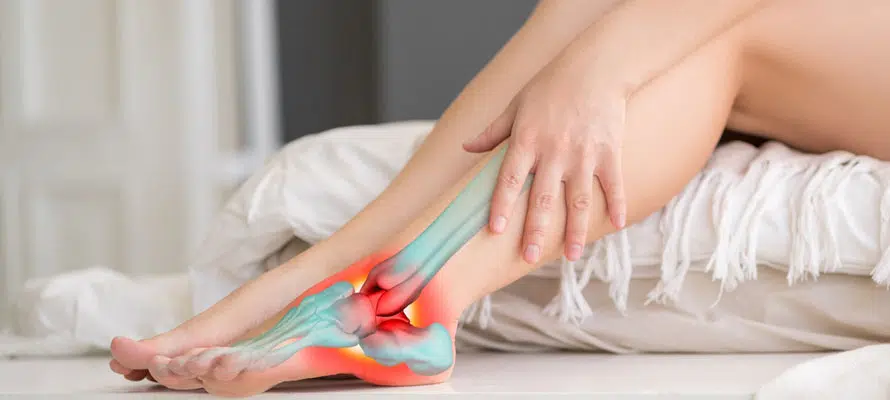

Chronic tendinitis is one of those conditions that can quietly disrupt daily life, gradually turning simple movements into painful challenges. Whether it’s reaching overhead, climbing stairs, typing at a desk, or engaging in sports, the persistent discomfort caused by inflamed tendons can interfere with work, routine tasks, sleep, and overall well-being. While acute tendinitis is fairly common and usually resolves with a period of rest, chronic tendinitis—or tendinopathy—is a long-term issue that requires a more thoughtful and strategic approach to healing.
In this blog, we will explore what chronic tendinitis actually is, why it happens, and how people living with it can manage symptoms, reduce inflammation, and restore function over time.
Understanding Chronic Tendinitis
Tendons are strong, fibrous tissues that connect muscles to bones and play a major role in allowing movement. When these tendons become irritated or damaged due to overuse or repetitive stress, inflammation occurs. However, contrary to the name “tendinitis,” many chronic cases do not involve significant inflammation. Instead, long-term tendinitis often results in degenerative changes within the tendon fibers.
This chronic form—called tendinosis or tendinopathy—is characterized by:
- Persistent pain lasting months or longer
- Stiffness, especially in the morning or after periods of inactivity
- Weakness in the affected limb
- Reduced flexibility or mobility
- Tenderness directly over the tendon
Common areas affected include the Achilles tendon, rotator cuff, elbow (tennis or golfer’s elbow), patellar tendon, and wrist tendons.
What Causes Chronic Tendinitis?
Chronic tendinitis is rarely the result of a single event. Instead, it develops slowly due to repeated strain, inadequate rest, or poor mechanical movement patterns. Some of the most common causes include:
1. Repetitive Movements
Jobs or lifestyle habits that involve repeating the same motion—typing, lifting, running, or swinging—can put ongoing stress on tendons. Over time, this microtrauma can accumulate and lead to degeneration.
2. Poor Posture or Technique
Incorrect form during exercise or sports, or sitting in a slouched posture all day, forces tendons to work harder than they should.
3. Age-Related Wear and Tear
Tendons naturally lose elasticity as we age, making them more susceptible to injury and slower to heal.
4. Sudden Increase in Activity
Jumping into a new sport, workout routine, or physical job without proper preparation can overload tendons.
5. Underlying Health Conditions
Issues like rheumatoid arthritis, diabetes, and obesity may make tendons more vulnerable to chronic inflammation and slower healing.
Understanding the cause is crucial because effective management often requires addressing the root of the problem—not just the symptoms.
Recognizing the Signs Early
Many people ignore early tendon pain, assuming it will pass on its own. Unfortunately, neglecting symptoms can allow mild tendinitis to progress into a chronic condition. Some early warning signs include:
- Mild pain that begins during activity but fades afterward
- Tenderness when pressing on the affected area
- Stiffness after waking up or after prolonged sitting
- A burning or aching sensation during or after movement
Early intervention can significantly reduce recovery time, so taking these signals seriously is important.
Coping Strategies for Long-Term Tendinitis
Managing chronic tendinitis requires patience. Tendons heal slowly because they have limited blood supply. Healing is possible, but it often takes consistent effort over weeks and months. Here are the most effective strategies to cope with and gradually recover from long-term tendon inflammation.
1. Modify or Temporarily Reduce Aggravating Activities
The first step is identifying which motions trigger pain and adjusting them. This does not always mean stopping all activity; instead, consider:
- Reducing intensity or frequency
- Switching to low-impact exercises
- Adjusting your posture or ergonomics
Activity modification allows the tendon to rest while still keeping the body moving.
2. Physical Therapy: A Key Component
Physical therapy is one of the most effective ways to rehabilitate chronic tendinitis. Therapists typically use:
Eccentric Strengthening
Slowly lengthening a muscle while it contracts helps stimulate tendon repair.
Stretching
Gentle, regular stretching improves flexibility and reduces tension on the injured tendon.
Manual Therapy
Techniques like soft tissue mobilization and friction massage can improve blood flow and break down scar tissue.
Posture and Technique Correction
A therapist can pinpoint movement patterns that contribute to tendon stress and help correct them.
3. Applying Heat or Cold When Appropriate
Both heat and cold therapy can help, depending on the stage of the condition.
- Ice helps reduce soreness after activity.
- Heat improves blood flow and relieves stiffness, especially before stretching or exercise.
Alternating both may also be beneficial.
4. Anti-Inflammatory Measures
While chronic tendinitis may not always involve active inflammation, symptoms of swelling and irritation may still benefit from:
- Over-the-counter pain relievers (e.g., ibuprofen or naproxen)
- Topical anti-inflammatory creams
- Natural anti-inflammatory foods and supplements (turmeric, ginger, omega-3)
Always consult a healthcare provider before starting medication.
5. Lifestyle Adjustments to Support Healing
Small changes can make a big impact on long-term tendon health:
Healthy Diet
Nutrients like vitamin C, collagen, magnesium, and protein support tissue repair.
Adequate Rest
Sleep plays a major role in overall healing and reducing inflammation.
Hydration
Proper hydration keeps tissues resilient and reduces stiffness.
Weight Management
Reducing excess weight can significantly decrease stress on load-bearing tendons.
6. Alternative Therapies
For some individuals, complementary approaches can help manage symptoms:
- Ultrasound therapy
- Shockwave therapy
- Acupuncture
- Dry needling
- Platelet-rich plasma (PRP) injections (in select cases)
These treatments should be discussed with a healthcare provider first.
7. Supportive Devices
Braces, straps, compression sleeves, or orthotic inserts can provide temporary relief by reducing stress on the affected tendon. This can be especially useful for:
- Tennis elbow
- Achilles tendinitis
- Patellar tendinitis
These devices should be used strategically, not as a long-term crutch.
Preventing Tendinitis from Returning
Once symptoms improve, it’s important to prevent recurrence by:
- Continuing strengthening exercises
- Maintaining proper posture
- Gradually increasing intensity in workouts or sports
- Taking regular breaks during repetitive tasks
- Switching up activities to avoid overuse
Prevention is an ongoing process but far easier than dealing with chronic pain.
Living with Chronic Tendinitis
Chronic tendinitis can be frustrating, especially when everyday tasks become painful. However, with a consistent and informed approach, most people can significantly reduce symptoms and return to an active lifestyle. The key is patience, persistence, and a willingness to adjust habits.
If pain interferes with daily activities, persists despite self-care, or progressively worsens, it’s important to consult a medical professional or physical therapist. Early and targeted treatment can prevent further tendon damage and support long-term recovery.