
Inner thigh and lower body muscle pain is a common issue that affects people of all ages—whether you are active, sedentary, or somewhere in between. Pain in this region can range from a dull ache to sharp discomfort that makes it difficult to walk, sit, stretch, or even sleep. Understanding the possible causes, symptoms, and effective treatments is the first step toward long-term relief and prevention.
In this blog, we’ll explore the most common reasons behind inner thigh and lower body muscle pain, how to treat it properly, and when to seek medical help.
What Causes Inner Thigh & Lower Body Muscle Pain?
Muscle pain in the lower body—particularly the inner thigh—can arise from various sources. Some causes are minor and temporary, while others may require medical evaluation. Below are the most common reasons:
1. Muscle Strain (Groin Pull)
A muscle strain occurs when the muscle fibers are overstretched or torn. The groin muscles—also known as the adductor muscles—are particularly vulnerable, especially during:
- Sudden side-to-side movements
- Sprinting
- Jumping
- High-intensity sports
Symptoms of groin strain include:
- Sharp pain in the inner thigh
- Swelling or bruising
- Difficulty lifting the leg
- Pain when spreading legs apart
2. Overuse or Repetitive Stress
People who perform repetitive movements such as running, cycling, climbing stairs, or squatting may experience inner thigh soreness due to continuous stress on the muscles. Overuse injuries build up slowly and worsen over time if ignored.
3. Tendonitis
Tendonitis is the inflammation of tendons that connect muscles to bones. In the inner thigh, this might involve the adductor tendons. It can cause a burning sensation or stiffness after sitting for long periods.
4. Hip Flexor Tightness or Imbalance
Tight hip flexors—from prolonged sitting or lack of stretching—can cause compensatory strain in the inner thighs and lower body. When muscles are imbalanced, other areas overwork and become painful.
5. Nerve Compression
Sometimes, inner thigh pain is not muscular at all. Nerves can become compressed or irritated due to:
- Lower back issues
- Herniated discs
- Pinched nerves
- Poor posture
This can cause radiating pain, numbness, or tingling along the inner thigh or lower leg.
6. Poor Posture and Weak Lower Body Muscles
Weak hips, glutes, or core can force the inner thigh muscles to compensate, leading to pain. Similarly, improper posture while standing, walking, or exercising may trigger discomfort.
7. Injuries from Sports or Accidents
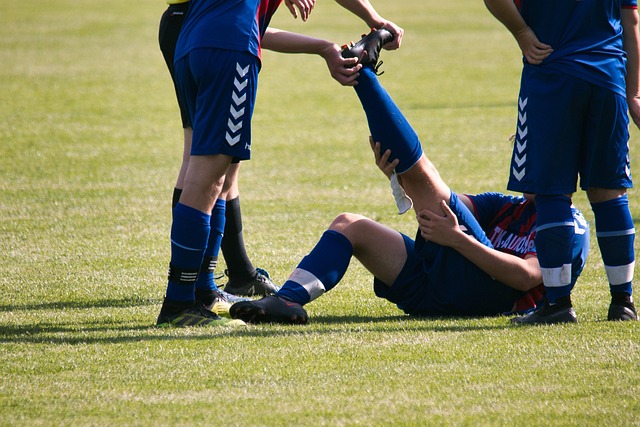
Sports such as football, cricket, tennis, martial arts, or dance often involve sudden movements that can stretch the thigh muscles beyond their limit.
Symptoms of Inner Thigh & Lower Body Muscle Pain
The symptoms vary depending on the underlying cause but may include:
- Localized soreness or tenderness
- Tightness when walking or sitting
- Swelling or mild inflammation
- Pain during stretching or movement
- Bruising (in case of muscle strain)
- Limited range of motion
- Stiffness after inactivity
- Radiating pain to the hip or knee
Identifying whether your pain is mild or severe helps determine the right approach to treatment.
Home Treatments for Inner Thigh & Lower Body Muscle Pain
Most cases of inner thigh pain improve with rest and proper home care. Below are effective methods to relieve discomfort.
1. Rest and Activity Modification
Avoid activities that worsen the pain—especially running, jumping, or heavy lifting. Give your muscles time to recover.
2. Apply Ice or Heat
- Ice therapy: Best for fresh injuries (within 48 hours) to reduce swelling.
- Heat therapy: Useful for tightness and chronic pain to relax muscles.
Apply for 15–20 minutes, 2–3 times daily.
3. Gentle Stretching Exercises
Stretching helps relieve tightness in the inner thigh muscles and surrounding areas.
Examples of effective stretches:
- Inner thigh (adductor) stretch
- Butterfly stretch
- Hip flexor stretch
- Hamstring stretch
- Quadriceps stretch
Hold each stretch for 20–30 seconds without bouncing.
4. Strengthening Exercises
Once the pain reduces, strengthening helps prevent future injury.
Key exercises include:
- Side leg raises
- Glute bridges
- Wall sits
- Hip adductor strengthening
- Core stability workouts
Strong legs, glutes, and core reduce pressure on the inner thighs.
5. Massage Therapy
A gentle massage can relieve tension and improve blood circulation to the inner thigh muscles. Foam rolling is also helpful.
6. Maintain Proper Hydration & Nutrition
Dehydration can contribute to muscle cramps and pain. Consuming foods rich in potassium, magnesium, and calcium also supports muscle function.
7. Over-the-Counter Pain Relievers
Medications like ibuprofen or acetaminophen may provide temporary relief. Always follow recommended dosage and consult a healthcare professional if necessary.
Lifestyle Tips to Prevent Inner Thigh Pain
Prevention is always better than cure. Here are habits that help keep your lower body healthy:
- Warm up before exercise – A 5–10 minute warm-up improves blood flow and reduces injury risk.
- Use proper form during workouts – Incorrect movement patterns can strain muscles.
- Stretch regularly – Especially if you have a desk job or sit for long hours.
- Increase activity intensity gradually – Sudden increases can cause strains.
- Wear comfortable footwear – Poor shoes can affect lower body alignment.
- Maintain a healthy weight – Extra weight increases pressure on hips and thighs.
When to Seek Medical Help
While most cases of inner thigh pain are mild, you should consult a doctor or physiotherapist if:
- Pain persists beyond 7–10 days
- You feel a sudden pop during the injury
- There is severe swelling or bruising
- You cannot bear weight on the leg
- Pain radiates to the back or down the leg
- You suspect a fracture or ligament injury
- Numbness or tingling is present
Professional evaluation may include physical examination, imaging, or personalized rehabilitation.
Conclusion
Inner thigh and lower body muscle pain can be uncomfortable and disruptive, but with the right care, most cases resolve quickly. Understanding the cause of your pain helps you choose the correct treatment—whether it’s rest, stretching, strengthening, or medical evaluation. By incorporating good posture, regular exercise, and proper warm-ups into your lifestyle, you can prevent future injuries and maintain strong, healthy lower body muscles.
If your symptoms persist or worsen, don’t hesitate to seek medical advice. Early treatment can prevent long-term complications and help you return to your daily activities with confidence.