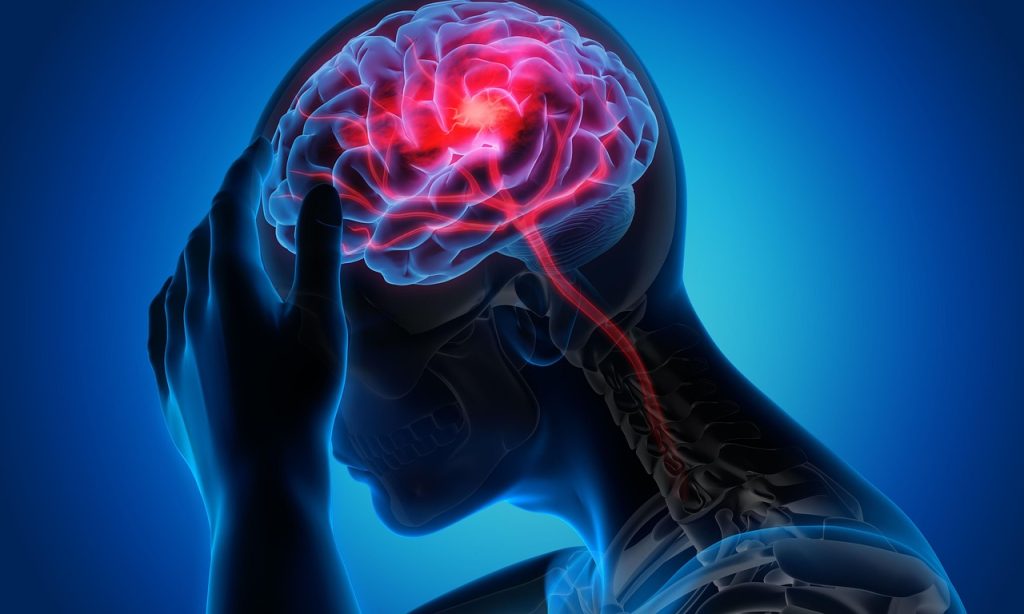

Migraines can be debilitating — throbbing pain, sensitivity to light or sound, nausea — and many people want relief without relying solely on medication. The good news is: there are natural options that research and tradition suggest may help reduce migraine frequency, intensity, or even prevent attacks altogether. The key: no magic cures, but consistent lifestyle and supportive choices can make a real difference. Health Web Magazine
Below is a breakdown of some of the most discussed natural migraine remedies — how they work, what evidence says, and what to keep in mind.
🧠 1. Magnesium — A Simple Mineral, Big Impact
- Why it helps: Magnesium plays many essential roles in the body — nerve and muscle function, nerve-cell stability, and blood vessel regulation. Low magnesium levels may contribute to migraine susceptibility. Health Web Magazine+1
- What studies show: Supplementation with magnesium has been linked to fewer migraine attacks in some people. It’s one of the more widely recommended natural preventive options. Health Web Magazine
- Tip: If you try magnesium, choose a well-absorbed form (like magnesium citrate or glycinate), and talk to a doctor if you have kidney issues or other health concerns.
💡 2. Riboflavin (Vitamin B2) — Energy Support for Your Nervous System
- What it does: Riboflavin helps convert food into energy — including the energy brain and nerve cells need. This may support proper nerve and vascular function, reducing migraine triggers. Health Web Magazine
- Research evidence: Studies have shown that regular riboflavin supplementation (often around 400 mg/day) may lower the frequency of migraine episodes compared to placebo. Health Web Magazine
- How to use: Riboflavin also occurs in foods like eggs, dairy, green leafy veggies — so a balanced diet plus supplementation could help.
🔋 3. Coenzyme Q10 (CoQ10) — Energy + Antioxidant Support for Migraine Prevention
- Function: CoQ10 helps mitochondria (cell powerhouses) produce energy and acts as an antioxidant — protecting cells (especially nerve and vascular cells) from oxidative stress. Health Web Magazine+1
- Evidence: Clinical studies have found that CoQ10 supplementation can reduce both the frequency and severity of migraine attacks. Health Web Magazine+1
- Suggestion: Often taken in doses between 100–300 mg/day (with meals to improve absorption). Consistent use tends to show the best results. Health Web Magazine
🌿 4. Herbal Remedies: Butterbur & Feverfew
Butterbur
- Derived from the plant Petasites hybridus, butterbur extract is thought to reduce inflammation and promote blood-vessel stability. Health Web Magazine+1
- Some clinical trials reported fewer migraine days among people taking butterbur compared to placebo. Health Web Magazine
- Important caution: Butterbur must be taken in the “PA-free” form (free from certain toxic alkaloids) to avoid serious liver damage. Always use a reputable, certified preparation. globalhealthcaremagazine.com+1
Feverfew
- Feverfew is another herbal option traditionally used for headaches and migraines. It is thought to reduce inflammatory substances in the brain, possibly preventing migraine onset. Health Web Magazine
- Research is mixed: some people notice fewer or less severe migraines, while others report little benefit. Health Web Magazine
- If you try feverfew, watch for possible side effects and consult a doctor, especially if you are on other medication or have other health conditions.
🪶 5. Essential Oils — Aromatherapy & Topical Relief
Natural, aromatic oils applied topically or inhaled may offer short-term relief, especially for milder headaches or stress-related migraines:
- Lavender oil – Soothing and calming; inhaling or gently massaging diluted lavender oil can reduce headache intensity for some people. Health Web Magazine
- Peppermint oil – Menthol in peppermint can help relax blood vessels and muscles; some report quick relief when it’s inhaled or applied (diluted) to the temples/neck. Health Web Magazine+1
⚠️ Important: Always dilute essential oils before applying to skin; essential oils are supportive, not curative — they work best alongside other lifestyle and dietary habits. Health Web Magazine+1
🧘♂️ 6. Stress Relief, Relaxation, Yoga & Meditation — Treating the Root, Not Just the Pain
Because stress, tension, and poor sleep often trigger migraines, calming practices can play a big role:
- Yoga + deep breathing + meditation — these help reduce stress, improve circulation and maintain nervous-system balance, which reduces migraine frequency for many people. Health Web Magazine+1
- Biofeedback & relaxation techniques — learning to control muscle tension, posture, and breathing can make the brain less reactive to migraine triggers. Health Web Magazine+1
Consistency matters. Regular practice (rather than occasional effort when a migraine hits) gives you the best chance at preventive benefit.
🥤 7. Hydration, Diet & Lifestyle — Small Habits, Big Difference
What you eat (and drink), how you sleep, and how you manage daily habits all matter:
- Hydration: Dehydration can trigger or worsen migraines by reducing blood flow and increasing stress on the brain. Drinking water and staying well-hydrated helps prevent that. Health Web Magazine+1
- Balanced meals and nutrient-rich foods: Whole foods, leafy vegetables, healthy fats, and stable blood sugar can support brain and vascular health — reducing triggers like inflammation or vascular stress. Health Web Magazine+1
- Sleep and rhythm: Irregular sleep — too little, too much, or poor quality — is a common migraine trigger. Prioritizing consistent, restful sleep can help reduce the occurrence of attacks. globalhealthcaremagazine.com+1
- Avoiding known triggers: For some people, alcohol, excessive caffeine, certain processed foods, bright lights or loud noise may trigger migraines — paying attention to personal triggers helps a lot. almanac.com+1
✅ Final Thoughts — Combining Remedies for Best Results
Migraines are complex, and what works for one person may not help another. There’s no single silver bullet. But here’s what a balanced, natural-forward migraine strategy might look like:
- Start with basics: hydrate well, eat nutrient-dense foods, get regular sleep.
- Support with backed supplements: magnesium, riboflavin, and/or CoQ10 — especially if recommended by your doctor.
- Consider herbs carefully: butterbur (only PA-free) or feverfew — but only after researching and being aware of risks.
- Use essential oils and relaxation: yoga, meditation, calm breathing, aromatherapy — to reduce stress, a major trigger for many.
- Monitor triggers: keep a diary of migraine events, diet, sleep, stress, and possible triggers to help identify what to change.