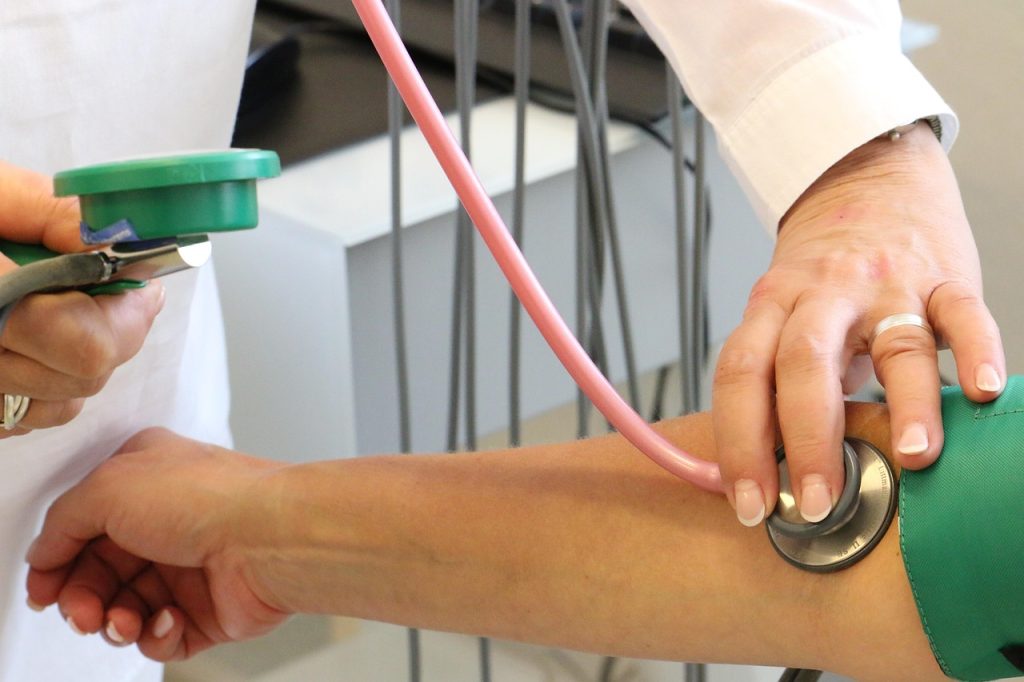

The article begins by explaining that blood pressure (BP) measures the force with which blood pushes against your artery walls each time your heart pumps. It is given as two numbers:
- Systolic pressure — the pressure when the heart beats. Health Web Magazine
- Diastolic pressure — the pressure when the heart rests between beats. Health Web Magazine
A typical healthy reading is around 120/80 mm Hg. Sustained readings higher than that may indicate hypertension. Health Web Magazine
Chronic high blood pressure is dangerous because it forces the heart to work harder, can thicken heart muscle, enlarge heart chambers, and over time may lead to heart failure. Health Web Magazine It can also damage arteries — making them stiffer and less flexible — thereby impairing blood flow to vital organs (like heart, brain, kidneys), raising risk of stroke, kidney disease, and other serious problems. Health Web Magazine
Many factors influence BP: genetics and age are important, but lifestyle components — diet, physical activity, weight, stress, sleep, as well as substance use (salt, alcohol, tobacco) — play large roles. Health Web Magazine
Because of these influences, BP can often be managed or lowered via healthy lifestyle and dietary habits — not just medication. The article outlines evidence-based, natural strategies to do so. Health Web Magazine+1
1. Balanced Diet — Eat Smart for Healthy BP
Diet is foundational. The article recommends following dietary patterns similar to the DASH diet (Dietary Approaches to Stop Hypertension). Key components of such a diet:
- Plenty of fruits and vegetables (rich in vitamins, minerals, fiber) Health Web Magazine
- Whole grains (for sustained energy, nutrients) Health Web Magazine
- Lean proteins — like poultry, fish, legumes — instead of red or processed meats. Health Web Magazine
- Low-fat dairy (to reduce saturated fat intake) Health Web Magazine
- Nuts and seeds — sources of healthy fats, protein, and often beneficial micronutrients. Health Web Magazine
This approach also discourages high-saturated fat foods, excessive red meat, sugary drinks and snacks, and highly processed junk foods. Health Web Magazine
Focus on Potassium — and Less Sodium
A standout recommendation: increase potassium intake while reducing sodium (salt). Potassium-rich foods include bananas, sweet potatoes, spinach, avocados, beans. Health Web Magazine
Potassium helps the body eliminate excess sodium via urine, which in turn helps relax blood vessel walls and cut down blood pressure. Health Web Magazine The article notes that for many adults, a daily potassium intake of ~2,500–3,000 mg is a good target. Health Web Magazine
On the flip side: high sodium consumption — from table salt, processed or canned foods, deli meats, fast foods — can cause water retention, thereby increasing blood volume and blood pressure. Health Web Magazine
Practical advice: cook more at home (gives you salt control), rely on herbs/spices rather than salt for flavor, prefer fresh or frozen produce over canned, and avoid processed foods. Health Web Magazine
Whole Foods & Healthy Fats
The article encourages choosing whole, minimally processed foods rather than heavily processed ones. These tend to retain more nutrients, have higher fiber, aid in digestion, and support better body-weight management — all of which contribute to healthy BP. Health Web Magazine
For fats: it favors healthy fats — like those found in olive oil, avocados, and fatty fish — over trans fats (common in fried/baked processed foods). Healthy fats help maintain flexible blood vessels and reduce inflammation, which supports lower blood pressure. Health Web Magazine
Trans fats, by contrast, can raise “bad cholesterol,” contribute to clogged arteries, and worsen hypertension. Health Web Magazine
2. Regular Physical Activity — Keep Moving
Regular exercise is described as a cornerstone of natural BP management. A physically active heart pumps more efficiently, reducing strain on arteries and lowering blood pressure overall. Health Web Magazine
Aerobic Exercise
Activities like walking, jogging, cycling, swimming are especially beneficial. For moderate-intensity aerobic exercise, a common recommendation is at least 150 minutes per week — which has been shown to significantly reduce both systolic and diastolic BP. Health Web Magazine
Strength Training
Adding resistance training (weight lifting, bodyweight exercises, resistance bands) 2–3 times per week works well alongside aerobic activity. Benefits include increased muscle mass (boosting metabolism), better weight maintenance, and improved insulin sensitivity — indirectly helping maintain BP. Health Web Magazine
Flexibility, Balance & Mind-Body Activities
Practices such as yoga, tai chi, stretching offer multiple advantages: stress reduction, improved posture and flexibility, better balance — and an overall mind-body synergy that supports cardiovascular health. Health Web Magazine
The article suggests a balanced weekly routine mixing all types: aerobic, strength, flexibility/balance — to maximize benefits. Health Web Magazine
They give a sample plan: e.g. brisk walking, cycling, yoga, strength-workouts, swimming, stretching — spaced across the week. Health Web Magazine
Given your own interest in gym workouts and weight management, this approach could particularly resonate with you (especially since strength training is already part of your routine).
3. Weight Management — Crucial for BP Control
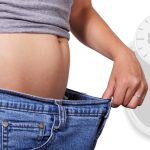
Excess body weight — especially fat around the abdomen — increases the strain on the heart and arteries. It is associated with elevated blood pressure. Health Web Magazine+1 Even modest weight loss can significantly reduce BP. Health Web Magazine+1
Strategies for Weight Control
- Balanced, nutrient-dense diet with portion control to create a sustainable calorie deficit. Health Web Magazine+1
- Regular exercise, combining aerobic and strength training, to support fat loss while preserving muscle mass. Health Web Magazine+1
- Mindful eating — paying attention to hunger/fullness cues to avoid overeating or emotional eating. Health Web Magazine+1
- Hydration and sleep — both influence appetite, metabolism, and hormone regulation linked to weight. Health Web Magazine+1
Since maintaining a healthy weight helps reduce strain on cardiovascular systems, it is essential to include weight management alongside diet and exercise efforts. Health Web Magazine+1
4. Stress Management & Mental Well-Being
Chronic stress is a hidden, powerful contributor to high blood pressure. Stress hormones (like cortisol and adrenaline) cause blood vessels to constrict, heart rate to rise — leading to BP spikes. Over time, repeated spikes may contribute to chronic hypertension. Health Web Magazine
The article suggests several stress-reduction tools:
- Mindfulness meditation — focusing on breath and present moment, calming the mind. A meta-analysis (referenced by the article) found that meditation programs yield “small but significant” reductions in BP. Health Web Magazine
- Breathing exercises — such as deep breathing, “box breathing,” or guided imagery to trigger relaxation response. Health Web Magazine
- Mind-body practices like yoga, tai chi — combining movement, breath, and mindfulness to reduce tension, improve flexibility and cardiovascular function. Health Web Magazine
- Lifestyle tweaks — scheduling regular downtime, hobbies, relaxation, good work-life balance, avoiding overwhelming workloads can help manage stress. Health Web Magazine
These tools are especially helpful because they target one of the root — but often overlooked — causes of high blood pressure.
5. Limiting Harmful Habits — Salt, Alcohol, Tobacco, Excess Caffeine
The guide warns against—or recommends limiting—certain habits that can worsen blood pressure:
- High sodium intake — as covered in diet section: too much salt causes fluid retention, increasing blood volume and BP. Health Web Magazine
- Alcohol consumption — excess alcohol raises heart rate, can cause fluid retention, and may interfere with medications. Health Web Magazine
- Tobacco / smoking — damages blood vessels, reduces vascular health, raises BP. Health Web Magazine
- Trans fats / Unhealthy fats — from many fried/processed foods — can increase “bad cholesterol,” lead to artery clogging, worsening BP and cardiovascular risk. Health Web Magazine
- Very high caffeine — though the article doesn’t deeply focus on caffeine, other guidance suggests moderation (since stimulants may temporarily raise BP). Health Web Magazine
Thus, curbing salt, processed foods, excessive alcohol, smoking, and unhealthy fats — while emphasizing whole, natural foods — is key to lowering BP naturally.
6. Hydration & Balanced Fluid Intake
Staying well-hydrated supports healthy blood volume and kidney function, which plays a role in regulating sodium balance and blood pressure. Health Web Magazine
Good hydration helps the kidneys flush out excess sodium and fluid, reducing fluid overload — a common contributor to elevated BP. Health Web Magazine
To maintain hydration: carry a water bottle, set reminders, flavor water (e.g. lemon, cucumber, mint) if plain water feels boring, and include water-rich fruits/vegetables in diet. Health Web Magazine
Alternative hydrating drinks such as herbal teas and water-rich produce are preferable to sugary or caffeinated beverages that may adversely affect blood pressure. Health Web Magazine
7. Lifestyle Habits: Portion Control & Mindful Eating
Beyond what you eat, how you eat matters. Portion control helps avoid overeating and unnecessary calorie intake — important for weight management and preventing BP increases. Health Web Magazine
Mindful eating — paying attention to hunger/fullness signals, eating slowly, savoring food — can prevent overeating, improve digestion, and foster a healthier relationship with food. Health Web Magazine
These practices support sustainable, long-term dietary changes rather than quick fixes — which is better for keeping blood pressure under control over years.
8. Importance of Support Systems & Long-Term Commitment
The article notes that natural BP control works best when you treat it as a holistic, long-term lifestyle change, rather than a short-term diet or exercise burst. Health Web Magazine
Having a support system — family, friends, support groups, or health professionals — can make it easier to stick to healthy habits. Social support provides motivation, accountability, and shared experience. Health Web Magazine
Also, tracking your habits — food intake, exercise, sleep, stress — helps you spot patterns and stay consistent. Keeping a food or activity diary may help identify weak spots and opportunities for improvement. Health Web Magazine
When necessary, professionals like dietitians, nutritionists, or wellness coaches can help create personalized plans suited to your body, lifestyle, and health needs. Health Web Magazine
Why This Approach Matters — And What It Means
The key takeaway from the article is that blood pressure is modifiable — meaning that with conscious, consistent lifestyle choices, many people can prevent, reduce, or manage hypertension, even without relying solely on medications (though medications may remain essential for some). Health Web Magazine+1
This aligns with a growing body of scientific research that underscores the importance of diet, exercise, weight control, stress management, and healthy habits in cardiovascular health. Health Web Magazine+1
Because you are already gym-active and mindful about fitness and weight (from what you told me earlier: you do hypertrophic workout and aim to lose weight), adopting the diet recommendations (balanced diet, potassium-rich foods, low sodium, healthy fats), hydration, stress management, and perhaps mind-body practices like yoga could be particularly effective for you.
The article’s emphasis on sustainable, balanced habits that integrate into daily life — rather than drastic, short-term “diets” — matches well with long-term health and wellness goals.
Personal Reflection: How It Could Fit for You
Given what you’ve shared about yourself:
- You already train regularly in gym with hypertrophy focus. The article recommends combining aerobic + strength training + flexibility/mind-body exercises. So you could just enhance your routine with cardiovascular work (like brisk walking, cycling or swimming occasionally) and some yoga or stretching for flexibility & stress relief.
- Since you aim to reduce body weight (from 82 kg to ~75 kg), the dietary guidance and portion control — especially focusing on whole foods, potassium-rich foods, healthy fats, and limiting sodium / processed foods — could help a lot.
- Because stress and lifestyle also impact BP, and you have interest in yoga (from your saved preferences), introducing mindfulness meditation or yoga could double as both stress-management and physical wellness — beneficial for BP regulation.
- Good hydration and avoiding excessive caffeine/alcohol also support overall health.